

Why Lincoln-Douglas Debate Offers the Highest Educational Value
Discover why Lincoln-Douglas Debate develops independent thinkers through one-on-one competition, ethical reasoning, and personal accountability. Learn how our Lincoln-Douglas Project is bringing one of America’s most respected debate formats to students around the world.
Prime Publishing
9/30/20252 min read
When people think of competitive debate, they often think of Public Forum or World Schools Debate. Yet one of the oldest, most intellectually rigorous, and most rewarding formats is often overlooked: Lincoln-Douglas (LD) Debate.
At Debate Prime, we’ve coached students across multiple debate formats—including World Schools, Public Forum, Parliamentary, and Lincoln-Douglas. Each format develops valuable skills, but Lincoln-Douglas consistently stands out as the format that produces the strongest independent thinkers.
What Is Lincoln-Douglas Debate?
Lincoln-Douglas Debate is a one-on-one debate format centered on questions of ethics, philosophy, public policy, and values. Rather than simply asking whether something works, LD asks whether something is right, just, or morally preferable.
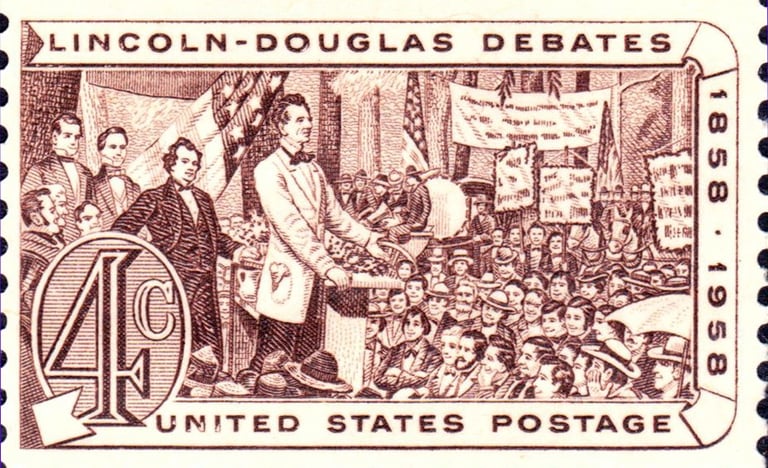
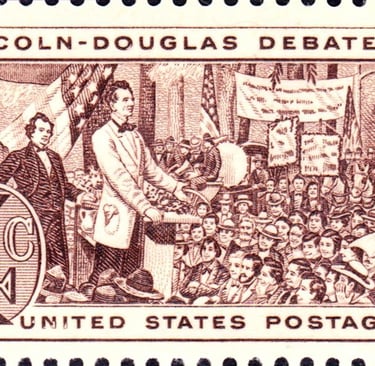
The format traces its inspiration to the historic 1858 debates between Abraham Lincoln and Stephen Douglas, where fundamental questions surrounding slavery, liberty, and the future of the United States were publicly debated. Modern Lincoln-Douglas debate continues this tradition by encouraging students to analyze the values that shape society and defend their reasoning with evidence, philosophy, and clear argumentation.
Why Lincoln-Douglas Is Different
Unlike team debate formats, Lincoln-Douglas places the entire round on one student’s shoulders.
That is precisely what makes it so valuable.
Students must research independently, construct their own cases, respond under pressure, adapt throughout the round, and defend every argument they make. There is no partner to rely on and no opportunity to hide behind stronger teammates. Every decision belongs to the individual.
This level of ownership builds habits that extend far beyond debate. Students learn to take responsibility for their preparation, communicate with precision, think critically under pressure, and defend their ideas with confidence.
Perhaps most importantly, Lincoln-Douglas gives students multiple opportunities to speak throughout a debate. Rather than delivering a single prepared speech, students engage in an ongoing exchange of arguments, rebuttals, questioning, and crystallization. Every speech requires them to think, adapt, and communicate in real time.
Skills That Last a Lifetime
Lincoln-Douglas develops skills that remain valuable long after competition ends.
Independent research and critical analysis
Precision writing, persuasive speaking, and logical reasoning
Personal accountability, confidence, and intellectual independence